 |
 |
 |
 |
 |
 |
 |
 |
 |
|||
 |
 |
|
|||||||
 |
|||||||
 |
|||||||
 |
|||||||
 |
|||||||
|
|||||||






|
||||||
 |
||||||
 |
||||||
 |
||||||
|






 |
 |
 |
 |
 |
 |
 |
platinum car warranty buyer's guide for value-focused driversI'm not trying to convince myself; I'm testing whether the promise lines up with real costs and real hassles. A platinum car warranty sounds like "everything is covered." Close, but not quite. It's usually the top exclusionary plan: they list what's not covered, and most other mechanical and electrical parts are in. That said, I should correct myself - glass, upholstery, trim, and normal wear still sit outside the fence. What "platinum" usually meansThink broad protection on expensive systems: powertrain, electronics, climate, sensors, even convenience features. The point isn't perfection; it's predictability. Usability matters more than shiny tier names, because a painless claim beats an all-caps brochure. Usability and value in daily life
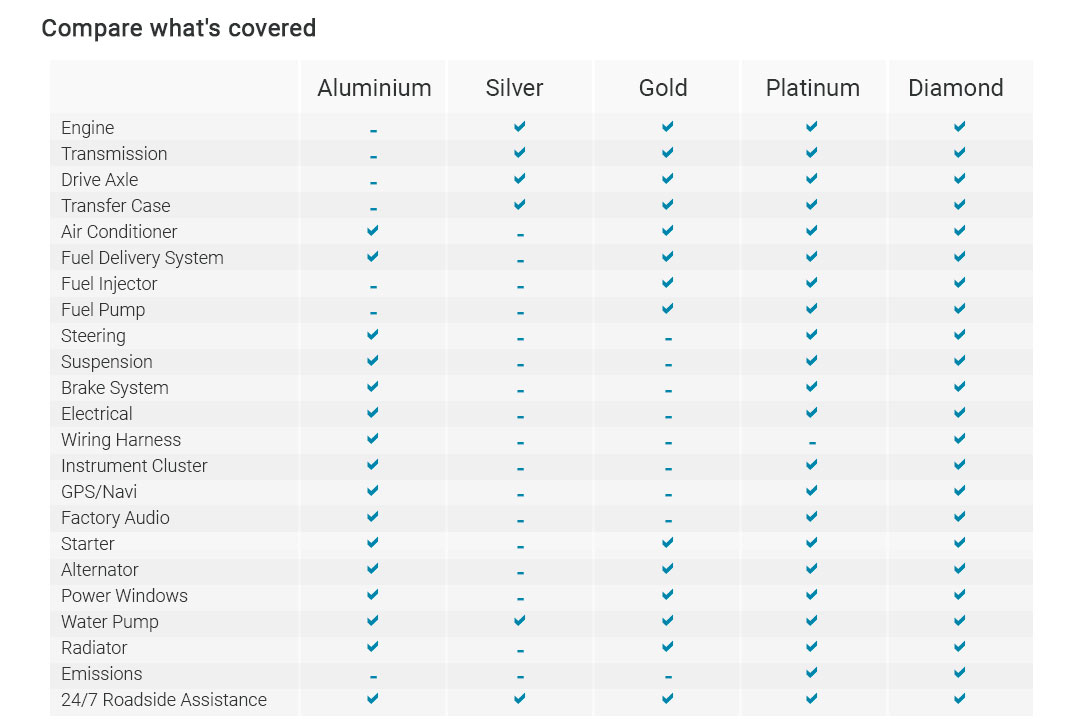
Typical coverage snapshot
Costs and the quiet mathPricing varies by make, mileage, and term, but I've seen platinum plans land roughly in the low-thousands for several years of coverage. Financing it through a dealer can hide markups, so a cash quote from multiple providers helps. Pair a slightly higher premium with a $0 deductible if you hate surprise copays - or pick a lower premium with a $100 - $200 deductible if you rarely visit shops. Red flags in the fine print
A small real-world momentRainy Tuesday, engine light on. I limped to a nearby approved shop. The service writer called the warranty hotline, gave codes, and within 30 minutes had approval. A fuel pump module and a harness pigtail were covered; I paid a $100 deductible, they covered two rental days, and the $1,900 bill never touched my card. Not glamorous, just less cortisol. How to compare without getting overwhelmed
My simple 7-step checklist
Who likely doesn't need oneShort-term owners, low-mileage drivers, DIYers with a reliable model, and anyone with a dedicated repair fund may get more value by self-insuring. If a $2,000 repair would annoy you but not derail you, skipping the warranty isn't reckless. Who might benefitTech-heavy and luxury vehicles (air suspension, adaptive dampers, complex infotainment), turbocharged engines, used cars just out of factory coverage, and road warriors far from home. EVs have fewer moving parts, yes, but thermal management, onboard chargers, and infotainment screens aren't cheap - confirm which of those are covered and for how much. Tiny catches that can add value
Bottom line, in plain termsA platinum car warranty is not magic; it's a contract that trades uncertain big bills for smaller, scheduled ones. If the plan makes repairs simpler, caps your downside, and fits your driving pattern, it's useful. If it's vague, slow, or overpriced, it's just a shiny word. Read the exclusions, test the claims line, and buy the process - not the metal tier name.
Main Topic:
Car Warranty Reviews
Related Guides:
My Car Warranty
Ez Car Warranty
Continuous Care Car Warranty
Usa Car Warranty
https://www.mpp.com/products/platinum-plus-vehicle-coverage.htm
For the term of your coverage, provides for front windshield chipping and repairable front glass damage. Protection includes repair of chips and/or cracks ... https://www.automoblog.com/reviews/warranty/carshield-platinum-coverage/
An extended auto warranty is a protection plan you can buy from an automaker or dealership to cover mechanical breakdowns. Third-party providers ... https://www.assurant.com/documents/assurant/digital-engagement-toolkit/the_mechanic_platinum_plus_digital_brochure.pdf
AZ, IA and WY Consumer Program Administrators, Inc. CA. Motor Warranty Services of North America. California License #0E40891. FL, LA and OK. Automotive ...
|
